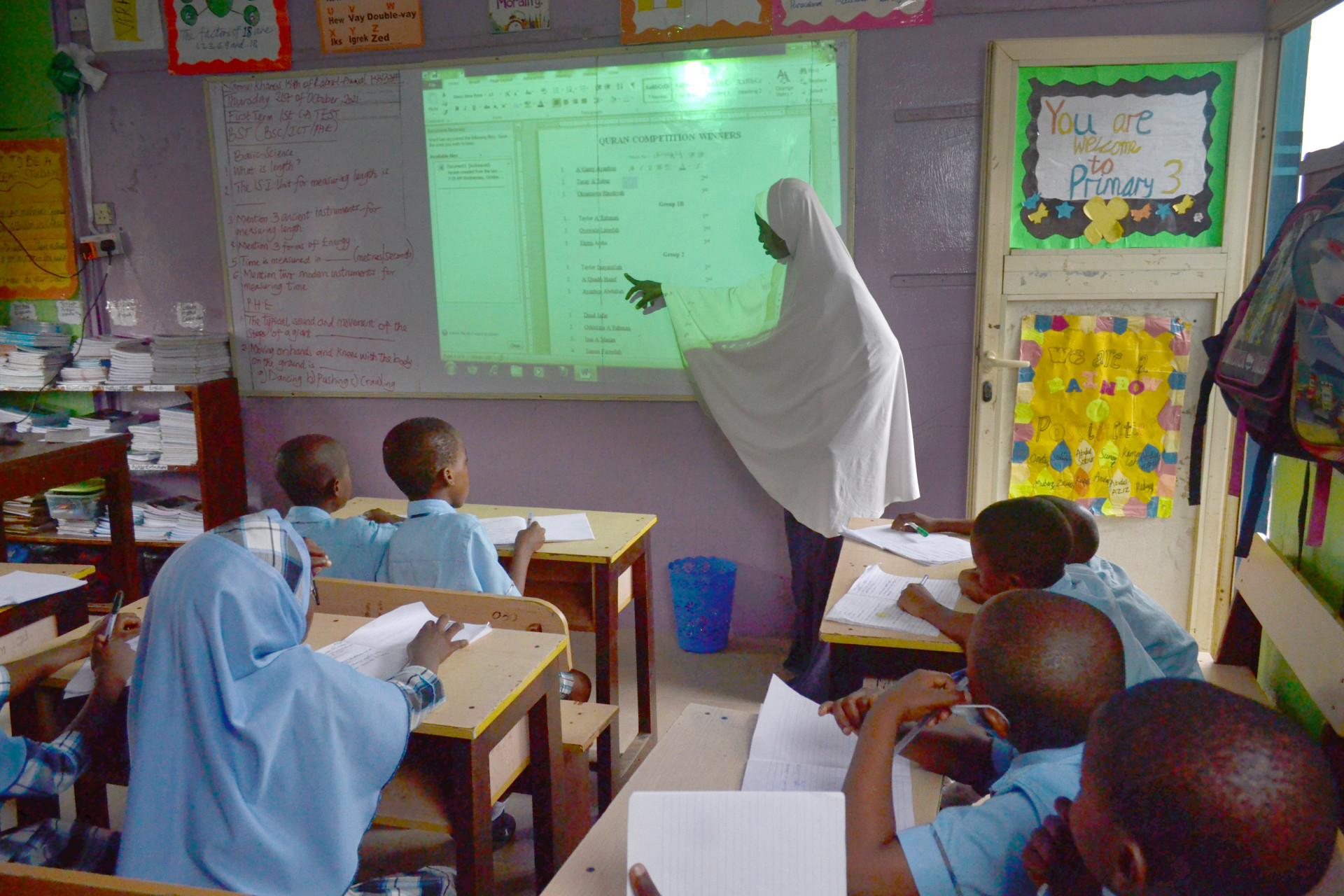
The Importance of Play-Based Learning in Early Childhood
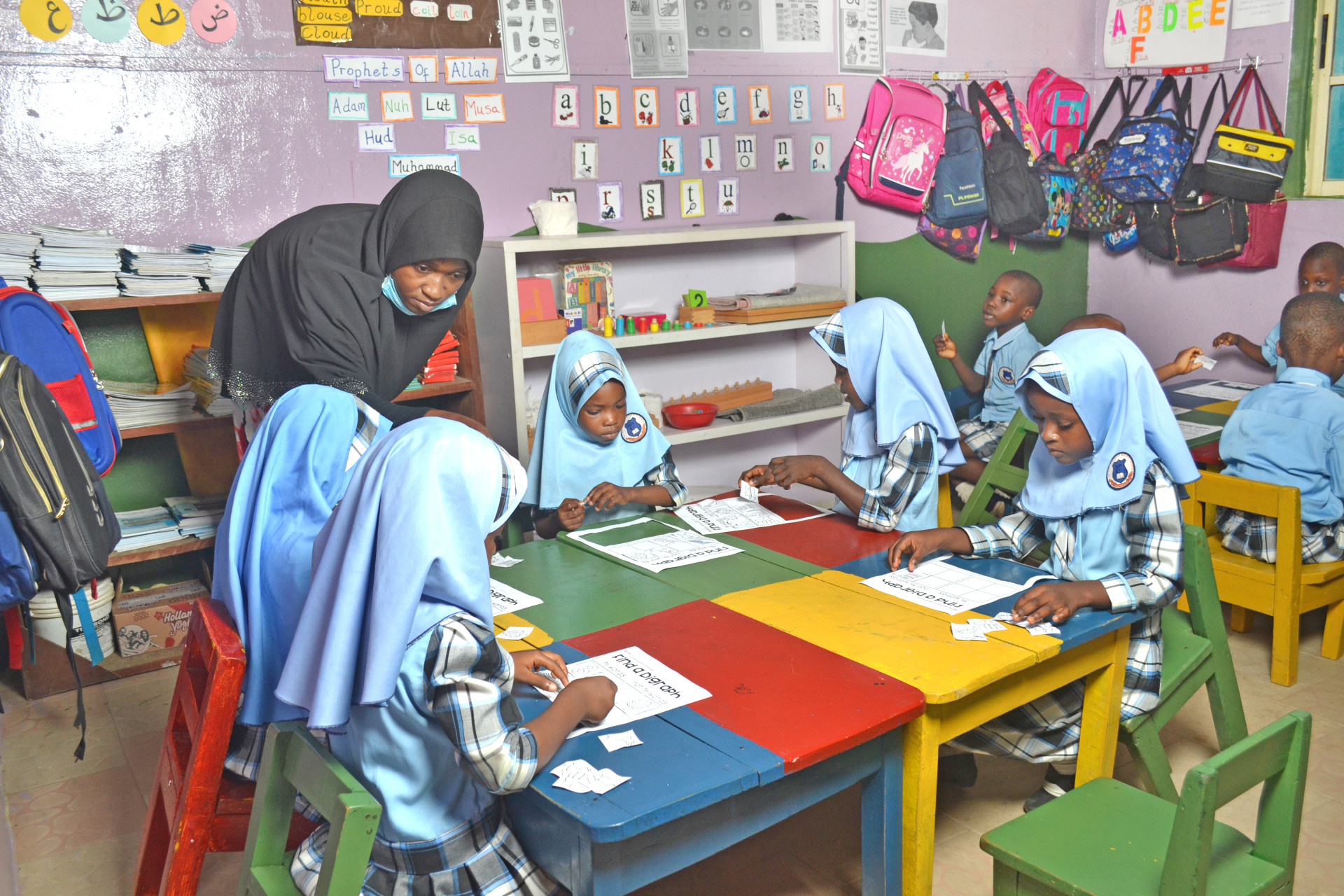
Play-based learning is not just fun and games—it's a fundamental approach to early childhood education that recognizes play as the primary way young children learn about their world, develop essential skills, and build the foundation for future academic success.
What is Play-Based Learning?
Play-based learning is an educational approach that uses play as the vehicle for learning. Rather than traditional direct instruction, children engage with materials, peers, and concepts through structured and unstructured play activities. This method recognizes that play is children's natural way of exploring, experimenting, and making sense of the world around them.
Key Benefits of Play-Based Learning
Play-based learning offers numerous advantages for child development:
Cognitive Development
Enhances problem-solving skills, creativity, and critical thinking through hands-on exploration and discovery.
Social Skills
Develops communication, cooperation, and conflict resolution skills through peer interaction and collaborative play.
Emotional Growth
Builds self-confidence, emotional regulation, and resilience through safe exploration and risk-taking.
Physical Development
Improves fine and gross motor skills, coordination, and body awareness through active play and movement.
Implementing Play-Based Learning at Home
Parents can support play-based learning at home by providing open-ended materials like blocks, art supplies, and dress-up clothes. Create spaces for both quiet and active play, and most importantly, follow your child's interests and curiosity.
Ready to Experience Play-Based Learning?
Visit our school to see how we integrate play-based learning into every aspect of our curriculum.
Schedule a VisitRelated Articles
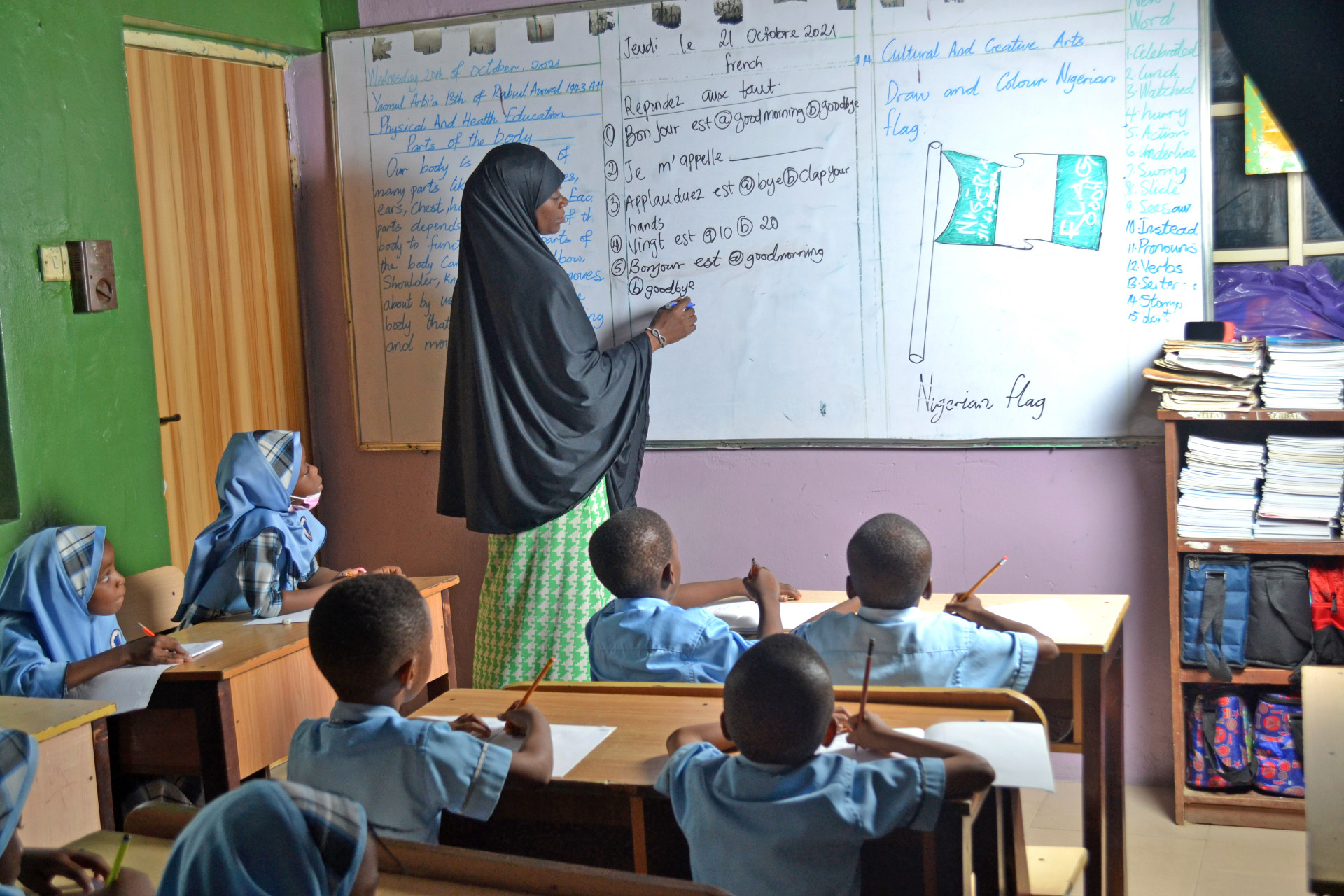
Building Emotional Intelligence in Young Children
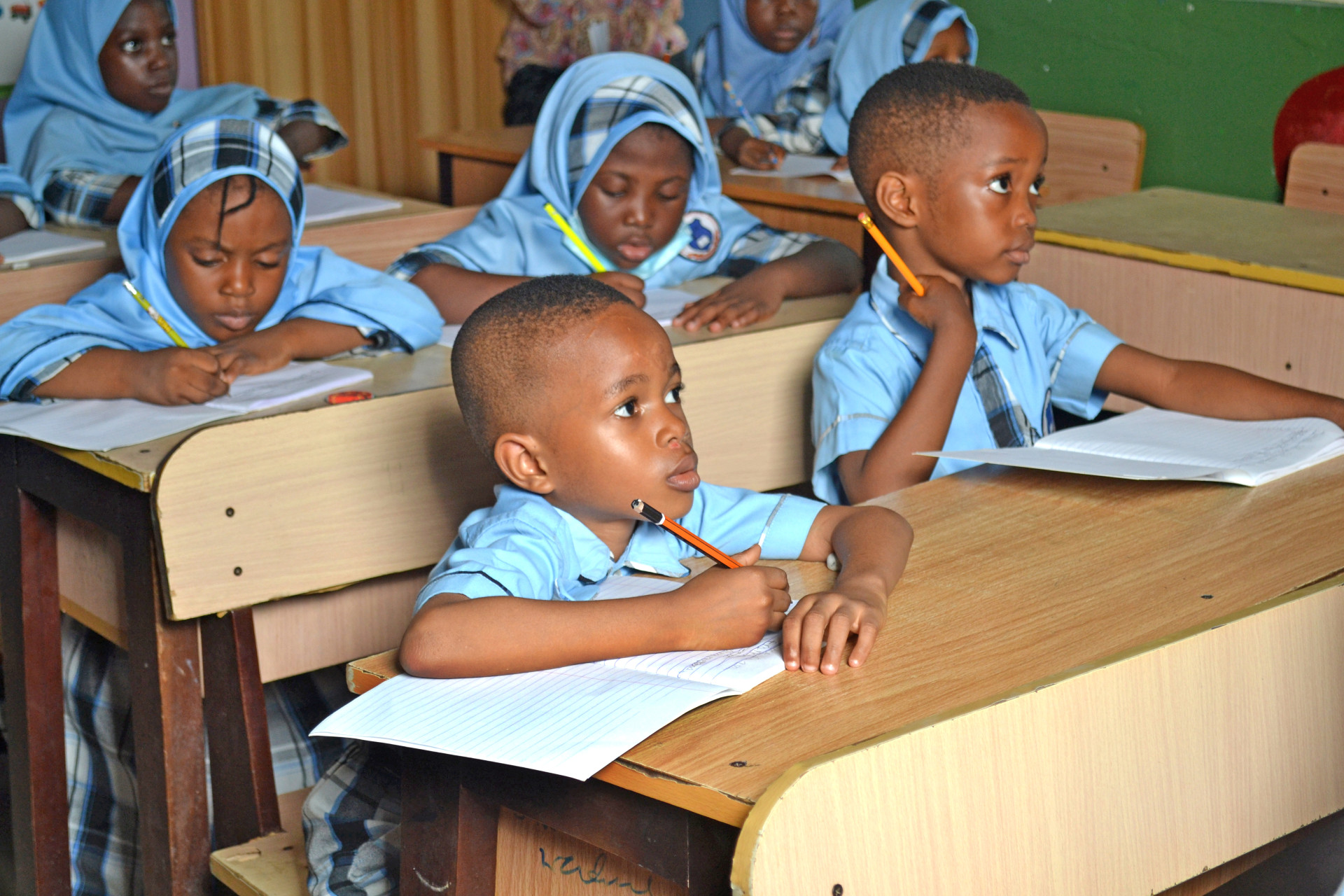
10 Creative Activities for Toddlers